The Entrepreneur's "Sisu Style"—The Strength to Go Against the Wind
From 200 steel chairs in Lapland to entrepreneurship in Helsinki. A story of Sisu, physical struggle, and the iron will to regain freedom and start AINA LUMEN
AINA SISU
1. Introduction (The Decision)
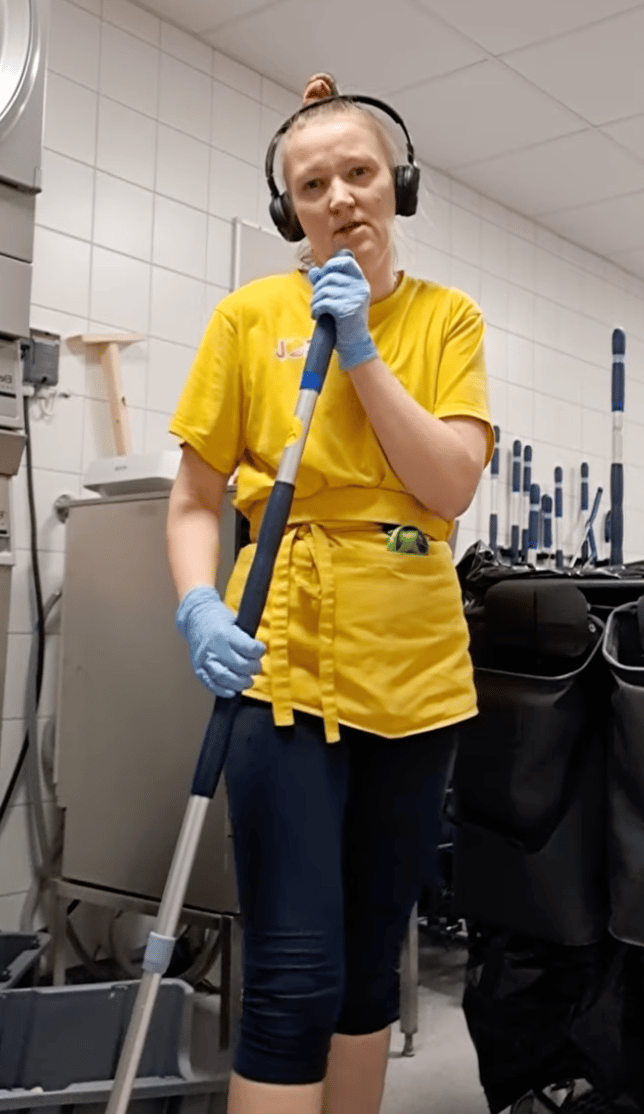
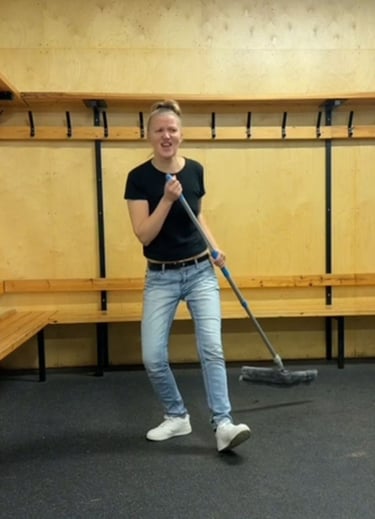
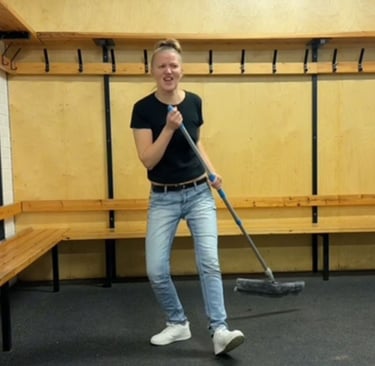
Entrepreneurship is often portrayed as a journey from one victory to another, adorned with receipts and presentations. That's the accepted wisdom. But few know how this journey begins. My path to becoming a Finnish entrepreneur began not in an office or a beautiful presentation, but with a mop in the school hallways of Lapland.
From the very beginning, all my projects were aimed at the world: platforms for creative people, studying marketing, creating my own online media outlet. For a year and a half, I poured all my energy into developing my own resource. But in 2022, legal barriers and new realities forced me to choose: either close my life's work or find a way to legalize myself in Europe at any cost.
I chose a path that seemed unthinkable for someone working in the intellectual world. In November 2022, I found myself in Lapland. My true enemy wasn't the cold, but the mop, the scrubbers, the pungent smell of bleach, and the endless rows of school desks and chairs. To preserve my business in the future, I had to temporarily archive my media outlet—because after a shift with a mop in hand, I simply didn't have the energy to create news.
I'm a person of intellectual labor, with a music education background. My greatest achievements are conquered at Google, not in the mountains. I spent 11 years of school and another two at university masterfully skipping physical education: illnesses, vision problems, "forgotten" uniforms—I invented a hundred ways to avoid physical strain. My world had always been limited to a computer screen and a stage.
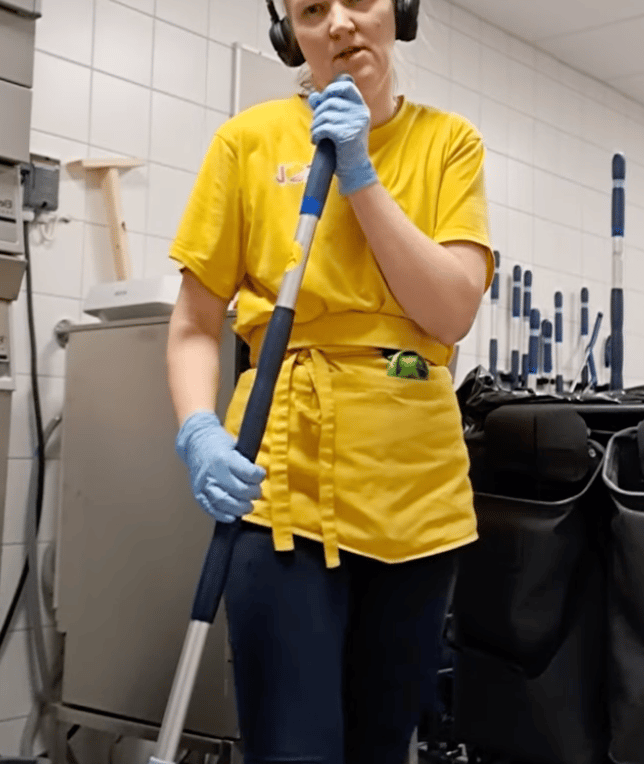
And here I am, standing in a school above the Arctic Circle, facing 200 heavy iron chairs that need to be lifted every day, and a floor scrubber with 20 liters of water. It wasn't psychological humiliation—I have no prejudice against hard work. It was hell on a physiological level. My back, unaccustomed to the strain, simply refused to support my spine. Evenings followed the same pattern: ointments, sauna, and the floor. I lived on the floor because it was the only place where my back could straighten and the pain subsided a little.
For the entire first year, I couldn't feel my fingers. The numbness was so profound that at home, I couldn't unload laundry from the washing machine or hold a regular pen. But at work, the machine would kick in. I understood: now my body was just a tool, a resource I was trading for my future freedom. Every floor I washed and every chair I lifted was my contribution to the right to be allowed to be an entrepreneur in Finland. I was simply buying my intellectual life through physical pain.
2. Paradox: An intellectual in a cleaning lady's body
Every day I followed a rigid cycle: survive at work, alleviate the pain by any means necessary, and try to sleep at home. I didn't know what "burnout" was, as it's so fashionable to talk about on social media these days. In my reality, only two mindsets existed: "I have to do it for something" and "screw it all." But the second option was excluded.
Daytime was automatic cleaning at school, where you had to be stronger than those chairs. Evenings were a struggle for your body, so that your back and arms would give you a chance to survive until tomorrow. But the night belonged to my thoughts about business. Even when my fingers wouldn't obey, my head kept thinking. I could watch films about creating brands, companies, creative people, the stage, magazines.
But the most exhausting thing wasn't the physical labor. My second enemy wasn't the mop or the heavy machine with water. My enemy was fear. The constant struggle for a residence permit, threats of deportation, and waiting for decisions from the immigration service—that was my true "headwind." Any chance of deportation meant that a year and a half of Lapland hell and the slow death of my body had been in vain. This bureaucratic uncertainty was far more draining than 200 iron chairs every day.
3. "Sisu Style" in Action — Survival on Autopilot
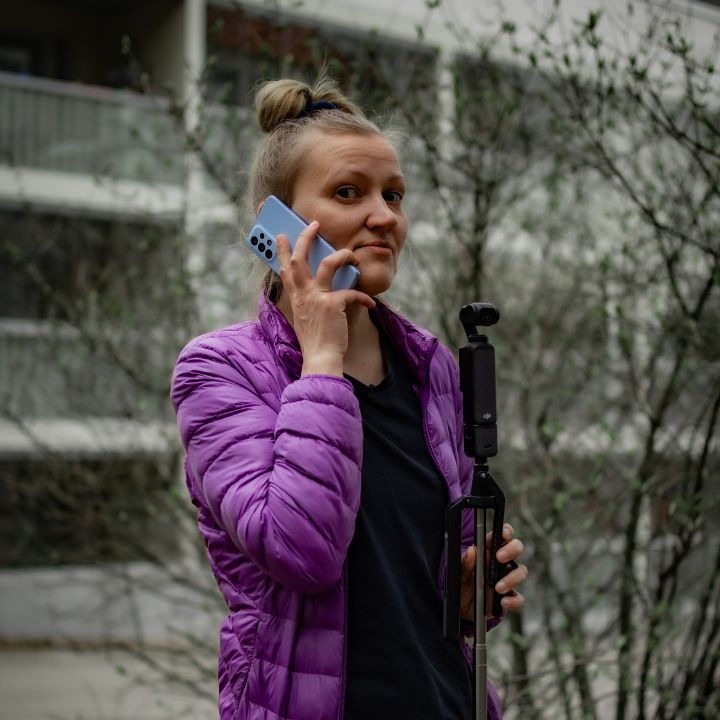
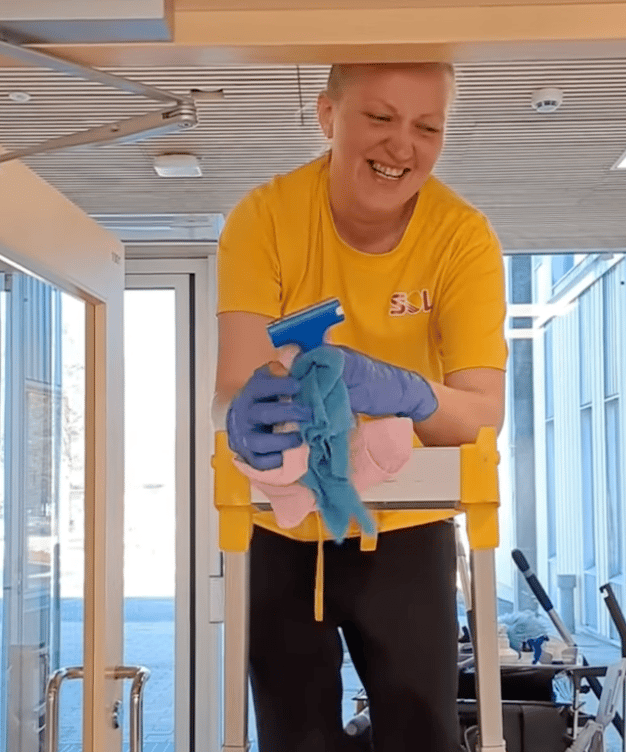
When my arms completely refused to lift chairs, it was time for a change. I left for Helsinki with a mattress in my car, dishes, and renewed hope. Working as a cleaner there was easier, but it was here that my body finally rebelled. A psychosomatic rebellion began: I began to feel physically nauseous before each shift. I'd pull the car over to the side of the road, overcome the attack, and then drive on. My body screamed, "Enough!"
And then the entrepreneur within me finally prevailed over the employee. Contrary to survival logic and my fear of the immigration service, I began looking for my own clients. It was the most dangerous paradox of my life. I had money, I had clients, I registered my business ID—I began operating as a full-fledged entrepreneur. But on paper, I was still a "cleaner for hire."
I lived every day in a state of absolute risk: I was already building my company, knowing that at any moment my residence permit could be revoked because I had "stepped beyond the bounds" of my permitted status. This fear was more acute than the pain in my arms. But it became fuel. I could no longer wait for circumstances to be kind to me—I began to build my freedom myself, living in a "gray zone" between the law and my dream.
4. Helsinki and the Revolt of the System
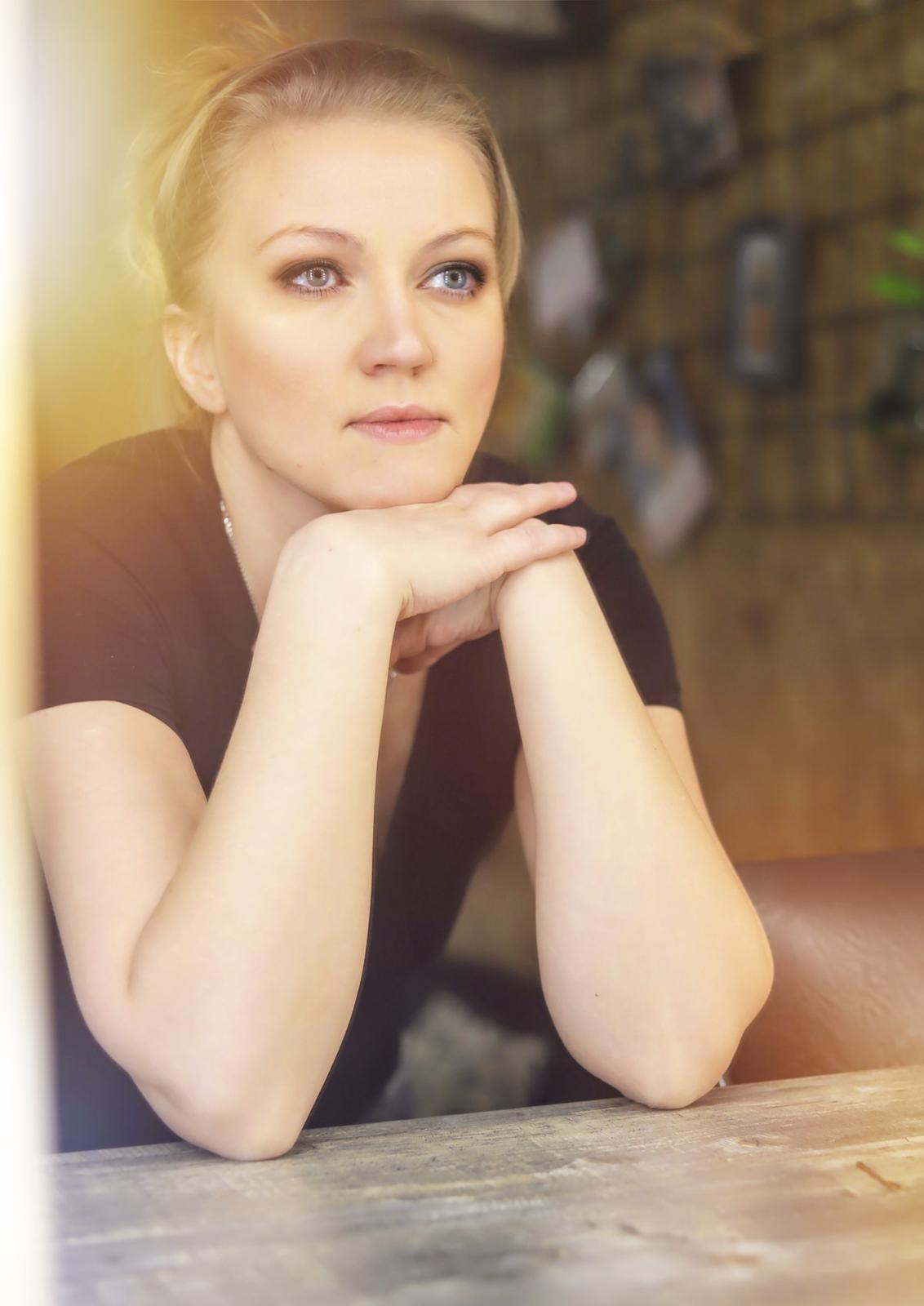
When I found myself at the point of choosing, I was balancing safety: I could find a new job in cleaning, wait until 2027, and apply for permanent residency. My residence permit card was valid, and the system wouldn't bother me.
On the other hand, I was risking losing everything. I decided to take the most desperate step—notifying Migri (the immigration service) that I was no longer employed, but had already effectively become an entrepreneur. I knew I didn't yet fully meet the strict criteria, but I wrote the truth: "I've found clients, I'm already doing this, and I'll try my best."
It was a moment of absolute vulnerability. I took this risk with the absolute certainty that I had no other choice. Two months later, I received a response—the entrepreneurial residence permit had been approved. Yes, my status has only been confirmed for a year now, and I'm facing this bureaucratic quest again. But now everything is different. My fingers are no longer numb from the cold and heavy weight, but I have the strength to take on this quest for my future.
5. Betting on honesty and risk
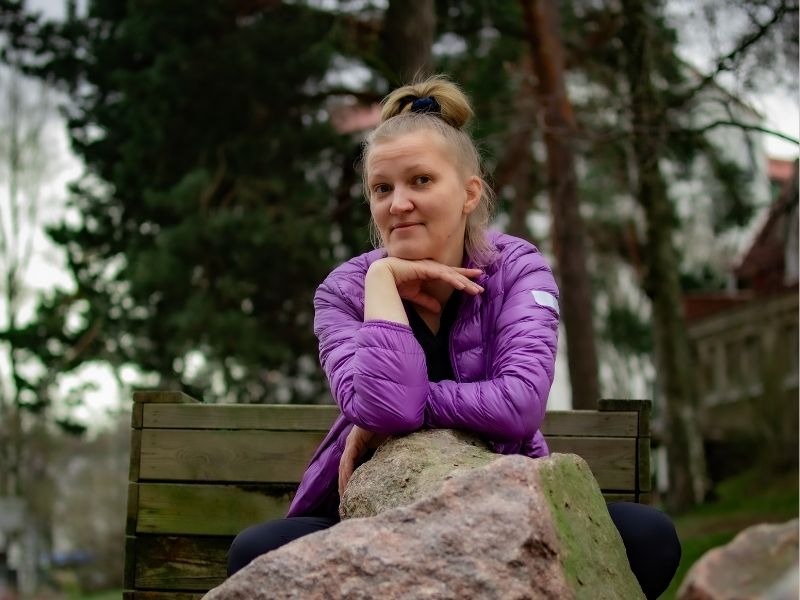
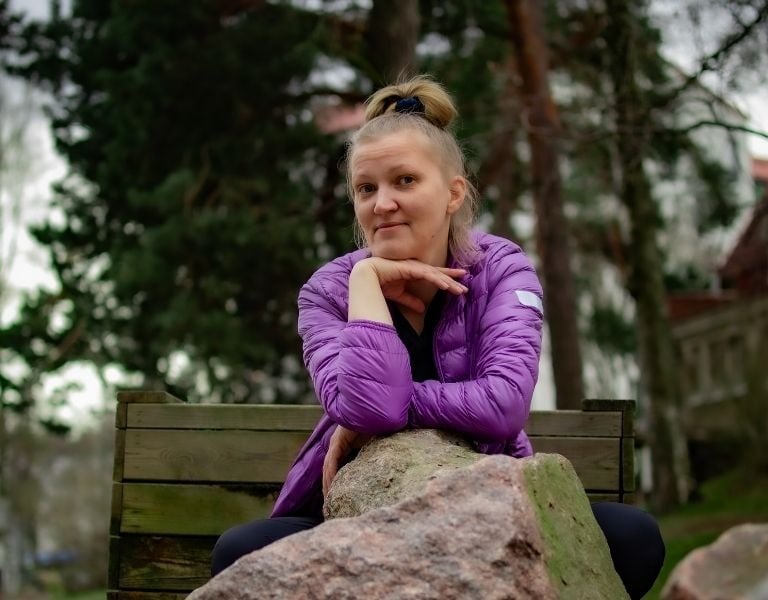
My journey from 200 iron chairs to official Founder status in Finland is my Sisu Style. It's the strength to go against the wind, even when you tell the wind where you are.
For me, fatigue turned out to be an illusion. When a goal is true, the body finds resources where none seem to exist. I realized: if you truly want something, you go against the wind, even if that wind breaks your fingers and knocks you down.
My story isn't about cleaning or paperwork. It's about willpower. Entrepreneurship doesn't begin with registering a company, but with the decision not to give up when circumstances say "no." Today, I'm choosing what I want to do, and my online journal is the first step toward the freedom I promised myself in the school hallways of Lapland.
If you have a goal, go for it. The wind will eventually become your tailwind.
6. Conclusion: The Strength to Go Against the Wind
AS Agency TMI Finland © 2025 Y-tunnus 3520907-4
AINA LUMEN — The Art of Being Visible. Engineering the trajectory for those who build the future here and now.